The awesomest things people made with AI




Work
An agent-ready alternative to Semrush and Ahrefs built solo
Daniel Ch built Conqueror, a self-running SEO tool that finds competitor keywords and backlinks, tracks rankings, and connects via MCP to agents that can research, rewrite, and publish content.
37128703 Daniel Ch @chddaniel

Apps & websites
Opus 5.5 found 124 GB of developer leftovers on a Mac
With a Mac down to 27 GB, Vox had Opus 5.5 scan read-only and draw a treemap of 124 GB of developer junk, then generate a cleanup script that uses each tool's own clean command.
1.1K751.8K Vox @Voxyz_ai
Games
A game world built by Opus 5.5 over three days in Unreal Engine
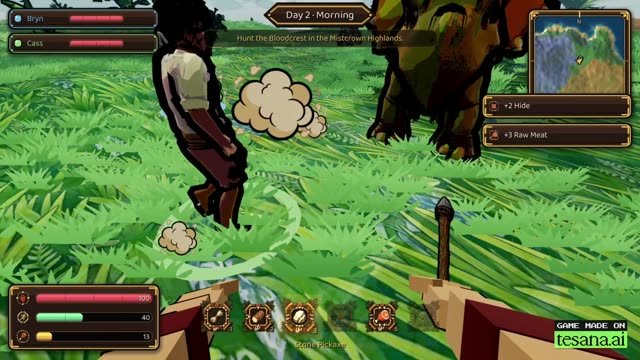
Shikhar used Opus 5.5 for three days to build a large game world in Unreal Engine, with Blender for assets and Tripo AI for character generation. The result is a detailed, explorable environment that would have been impossible a year ago.
1.6K80623 Shikhar @xikhar

Science
Opus 5.5 made jelly gummy bears; Gemini 4 Argon made plastic
Semichenko gave both models the same gummy-bear prompt and put each result through the same moves. Opus 5.5 produced squishy, translucent candies that stretch and bounce; Gemini 4 Argon produced stiff, clipping statues.
4K2341.2K Semichenko @semichenkko

Robots & gadgets
A $30 USB Wi-Fi dongle turned into a 40 Msps dual-band radio receiver
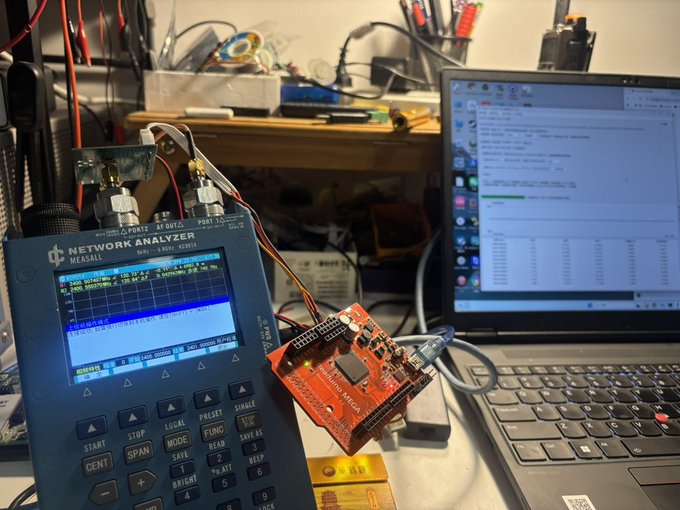
Luigi Cruz, creator of CyberEther, had GPT-6 Astra reverse-engineer an MT7921 dongle's firmware on a Raspberry Pi 5. After a few hours it streamed 14-bit I/Q at 40 MSps over USB 3.0 on both 2.4 and 5 GHz. The driver is one Python script, published as BirriaSDR.
41663355 Luigi Cruz @luigifcruz

Learning
A Raptor 3 rocket engine you can take apart in the browser
Claude Opus 5.5 built it to explain how a rocket engine works. Cut it open, follow the oxygen and methane through both turbopumps, then throttle it and watch the shock diamonds move.
8.4K8365.1K Konstantin Saifoulline @konstantinsaifo
Art, video & music
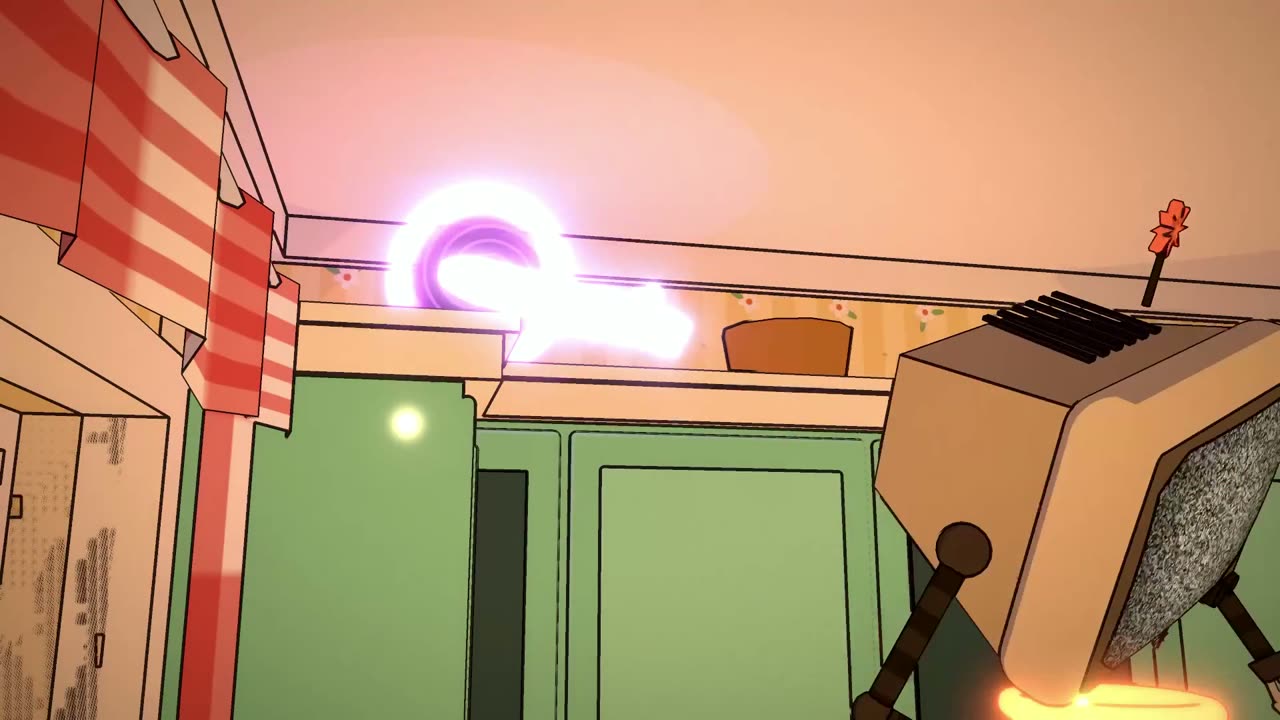
Claude-made 25-minute anime episode generated entirely in code
Ziwen used Opus 5.5 MAX for over 15 hours to write 34K lines of code, producing a 25-minute anime episode with no AI-generated video. The process cost about $370 in API tokens.
2K1271.6K Ziwen @ziwenxu_

Everyday life
Claude Code debloated a parents' Android TV and freed 90% RAM
Ansub used Claude Code over ADB to strip bloatware, tracking, and auto-installers from their parents' Android TV, uninstall 11 unused apps, and build a custom launcher with only the apps they use. Free RAM rose about 90%, and every change can be reverted with one command.
3.8K1622.4K Ansub @justansub





































































































































No matches.